A strong brand gives customers a clear reason to recognize, remember, and choose a business. It communicates what a company offers, what it values, and what customers can expect from their experience. While a memorable logo or business name can help establish recognition, effective branding involves much more than visual elements. Every interaction, from browsing a website to visiting a physical location, contributes to the impression customers form.
Building a recognizable identity requires consistency across marketing, customer service, business design, and community involvement. Each element should support the same message rather than operate independently. Businesses can strengthen their image by evaluating how they present themselves, identifying areas that need improvement, and making intentional decisions about how they communicate with their audiences.
Define Your Brand Identity Before Making Design Decisions
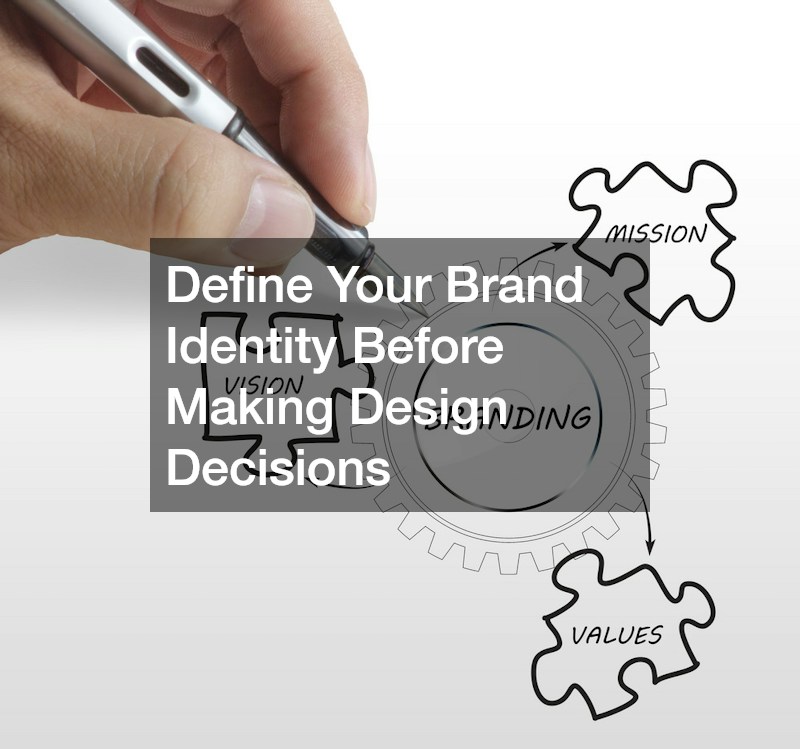
Before investing in marketing materials or physical improvements, establish what your brand should communicate. A clear identity helps customers understand what distinguishes your business and gives employees a consistent direction when representing it. Start by identifying your mission, values, target audience, and the qualities you want people to associate with your company.
Your visual identity should support these decisions. Colors, typography, imagery, and other design elements should work together to create a recognizable appearance. Consider how architectural design can reinforce your identity through the building’s layout, materials, exterior features, and overall atmosphere.
To establish a consistent foundation:
- Identify the main characteristics that distinguish your business from competitors.
- Define the tone and personality your written communications should convey.
- Select visual elements that reflect your company’s values and appeal to your audience.
- Create brand guidelines explaining how logos, colors, fonts, and messaging should be used.
Revisit these guidelines when your business changes or expands. A clear foundation makes future branding decisions easier and helps prevent inconsistent presentations.
Create a Consistent Presence Across Digital Platforms
Customers may encounter your business through a website, social media profile, online advertisement, or search result. These platforms should communicate a consistent identity, even when the content and format differ. If your branding changes significantly from one channel to another, customers may have difficulty connecting those interactions to the same company.
Develop a digital strategy that combines recognizable visuals with useful, relevant information. Your website and social profiles should use consistent logos, colors, descriptions, and messaging. Content should also reflect your company’s personality and address the interests or concerns of your intended audience.
A social media agency can help organize this effort by developing content plans, managing posting schedules, and adapting messages for different platforms. When evaluating potential support, consider:
- Whether the agency understands your audience and business goals.
- How it plans to maintain consistent branding across channels.
- Whether its content strategy includes useful information rather than constant promotion.
- How it measures engagement and evaluates campaign performance.
Review your digital presence regularly to identify outdated information, inconsistent visuals, or opportunities to improve communication.
Make Your Business Exterior Easy to Recognize
Your building’s exterior can influence how customers perceive your business before they enter. A well-maintained, recognizable property communicates professionalism and makes it easier for visitors to identify your location. Consider how the building appears from nearby roads, sidewalks, parking areas, and neighboring properties.
Exterior improvements should complement your existing brand identity. For example, a commercial awning can introduce recognizable colors or design elements while providing shade near entrances and windows. The style, size, and placement should suit the building rather than compete with other exterior features.
Before making changes, evaluate the property’s current appearance and identify improvements that would have the greatest impact. Consider these priorities:
- Keep exterior surfaces clean and address visible damage or deterioration.
- Coordinate awnings, doors, trim, and other features with your brand colors.
- Make entrances easy to locate and accessible to intended visitors.
- Avoid excessive decorations or competing design elements.
- Consider how exterior improvements will look alongside existing signage.
A cohesive exterior helps customers associate the physical location with the company’s broader identity. Regular maintenance also keeps the property looking consistent as the business grows.
Use Professional Signage to Improve Brand Visibility

Signage helps customers identify a business, understand what it offers, and locate its entrance. Effective signs communicate essential information without requiring people to stop and study them. Their lettering, colors, placement, and overall design should align with the company’s visual identity.
A channel letter sign can give a storefront or commercial building a distinct appearance through dimensional lettering. Businesses should consider visibility from different angles, available installation space, lighting conditions, and the distance from which customers need to read the sign.
Working with a local sign company can help simplify decisions about materials, design, placement, and installation. Before approving a project, consider:
- Whether the business name is easy to read from the intended viewing distance.
- How the sign’s colors and lettering complement existing branding.
- Whether lighting is appropriate for the location and intended visibility.
- Which placement options make the entrance easiest to identify.
- Whether local requirements affect the sign’s dimensions or installation.
Keep signage consistent across storefronts, offices, vehicles, and other customer-facing locations. Replacing faded or outdated signs can also help maintain a professional appearance.
Improve Interior Spaces to Reflect Your Brand
The interior of a business should provide an experience that matches the expectations created by its marketing and exterior appearance. Customers notice details such as lighting, furniture, colors, layout, and cleanliness. These features can make a space feel welcoming and organized or create an impression that conflicts with the company’s identity.
Start by considering how visitors use the space. A retail environment may need clear product displays and comfortable browsing areas, while an office may prioritize privacy, functionality, and a professional atmosphere. Window treatments are another design consideration because they affect natural light, privacy, and the appearance of customer-facing areas.
Roller shades can provide a streamlined window treatment that fits a range of interior styles. When evaluating options:
- Choose colors and finishes that complement the established brand palette.
- Consider how much natural light each room needs.
- Select materials that suit the space’s daily use and maintenance requirements.
- Keep furniture, decorative features, and signage visually coordinated.
The goal is not to make every room identical. Instead, create a consistent atmosphere that supports the way customers and employees use the building.
Upgrade Windows to Improve the Customer Experience
Windows influence both the appearance and functionality of a commercial property. Their condition can affect the impression customers form from outside, while their placement and performance influence the experience inside. Damaged, outdated, or poorly functioning windows may also make a space feel less polished.
When planning improvements, consider the building’s design, the needs of its occupants, and the role windows play in the overall appearance. Commercial window installers can help evaluate suitable options, discuss installation requirements, and identify products that fit the property’s needs.
Before starting a project, think about the following factors:
- Appearance: Choose window styles that complement the building’s architecture.
- Natural light: Consider how window placement affects the brightness of interior spaces.
- Privacy: Determine whether certain rooms require additional screening.
- Functionality: Review how existing windows open, close, and operate.
- Maintenance: Consider the upkeep associated with different materials and designs.
Coordinate window upgrades with other planned improvements when possible. This can help create a more unified appearance and prevent individual renovations from working against one another.
Make Every Customer-Facing Material Consistent

Printed materials remain an important part of how businesses communicate with customers. Business cards, brochures, flyers, menus, packaging, and promotional materials all provide opportunities to reinforce brand recognition. However, inconsistent designs or outdated information can make a company appear disorganized.
Start by reviewing the materials customers encounter most often. Check that each item uses the correct logo, colors, typography, business name, and contact information. The written messaging should also reflect the same tone used on your website and other marketing channels.
Custom printing services can help businesses produce materials in suitable formats, finishes, and quantities. Before approving an order, review:
- Whether the design follows your established brand guidelines.
- If text and contact information are accurate and easy to read.
- Whether images and graphics are clear at the intended print size.
- If the selected paper, finish, or material suits the purpose.
- Whether the quantity meets current needs without creating unnecessary waste.
Keep editable versions of approved designs so future materials can follow the same visual standards. Update older items whenever business details or branding change.
Build a Brand That Supports Personal and Professional Development
A company’s brand is shaped partly by how employees communicate and interact with customers. Even a carefully designed marketing strategy can lose its impact if the customer experience does not reflect the values presented in advertisements and promotional materials. Internal expectations should therefore support the public identity.
Employees need to understand the company’s mission, service standards, and communication style. Training can help them respond to questions consistently, explain products or services clearly, and handle customer concerns professionally.
Leadership development also plays a role. A life coach may help business owners or managers clarify professional goals, strengthen communication skills, and approach workplace challenges more effectively. When considering personal development opportunities:
- Identify leadership skills that would benefit the business.
- Set specific goals for improving communication and decision-making.
- Encourage employees to understand and represent company values.
- Provide regular feedback about customer interactions.
- Review whether internal practices match the company’s public commitments.
A recognizable brand should reflect the experience customers receive. Investing in employee development can help close the gap between what a business promises and how it operates.
Strengthen Community Relationships Through Local Involvement
A business’s reputation is influenced by its relationship with the surrounding community. Participating in local activities, supporting relevant organizations, and building relationships with other businesses can make a company more familiar to the people it serves. These efforts also give customers opportunities to see the values behind the brand in action.
Choose activities that genuinely connect with your company’s mission and audience. For example, a business might sponsor a community event, participate in a local initiative, or collaborate with organizations that serve similar groups. Share these activities through appropriate communication channels, but focus on the contribution rather than turning every interaction into an advertisement.
Community involvement can also connect a business’s visibility with broader economic growth. Supporting local initiatives and forming partnerships can contribute to a stronger business environment.
Consider these approaches:
- Identify community organizations whose goals align with your values.
- Participate in events that bring your business into contact with local audiences.
- Develop relationships with complementary businesses.
- Support initiatives that address meaningful community needs.
- Share genuine updates about your involvement without exaggerating your contributions.
Consistent participation can help establish familiarity and strengthen relationships over time.
Measure Brand Recognition and Refine Your Strategy

Branding should be reviewed regularly rather than treated as a one-time project. Customer expectations, business priorities, and marketing channels can change, making it important to evaluate whether your current approach remains effective.
Start by setting measurable goals. Depending on your business, these might include website traffic, social media engagement, customer inquiries, referrals, repeat purchases, or attendance at promotional events. Tracking these indicators can help you understand whether your branding efforts are reaching the intended audience.
Customer feedback provides another useful perspective. Reviews, surveys, conversations, and online comments can reveal whether people recognize your business and understand what makes it different.
Build a regular review process by:
- Comparing performance against the goals established for each marketing channel.
- Checking whether visual and written materials follow current brand guidelines.
- Identifying recurring customer questions or concerns.
- Reviewing signage, printed materials, and the physical customer experience.
- Updating strategies when business goals or audience needs change.
Avoid changing your identity simply to follow every new trend. Focus on improvements that strengthen recognition while preserving the qualities that make your business distinct.
Building a stronger brand requires consistent attention to how your business looks, communicates, and serves its customers. From the first online interaction to an in-person visit, each experience contributes to the reputation people associate with your company. A recognizable identity develops when these experiences support the same values and communicate a clear message.
Brand development is an ongoing process. Regularly evaluate customer feedback, review your visual identity, and adjust your strategy as your business evolves. With thoughtful decisions and consistent execution, you can create a brand that customers recognize, understand, and remember.